
Early Relational Health
Children grow in the context of their relationships. So do caregivers.
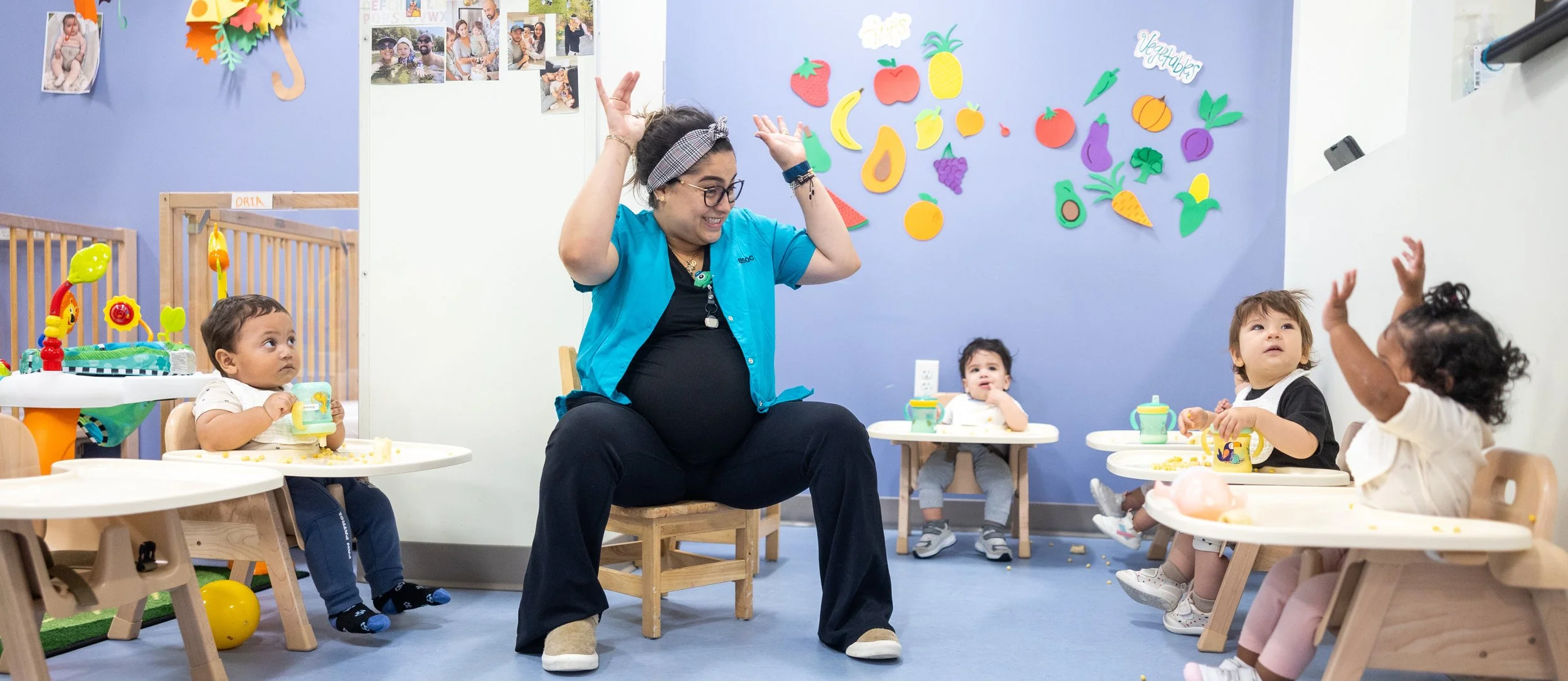
Early Relational Health (ERH) recognizes that the relationships surrounding a young child are the most powerful force in their development. When caregivers and children experience meaningful, stable, and nurturing interactions during ordinary everyday moments, children build the emotional, cognitive, and physical foundations for a healthy life.
Early childhood programs are among the most important relational environments in a young child's world. Early educators and caregivers see families twice a day, almost every day, and spend a lot of time in relationship with the child. We partner with these programs to invest in the educators and caregivers at the center of this work because when the adults around children are supported, connected, and valued, children flourish.
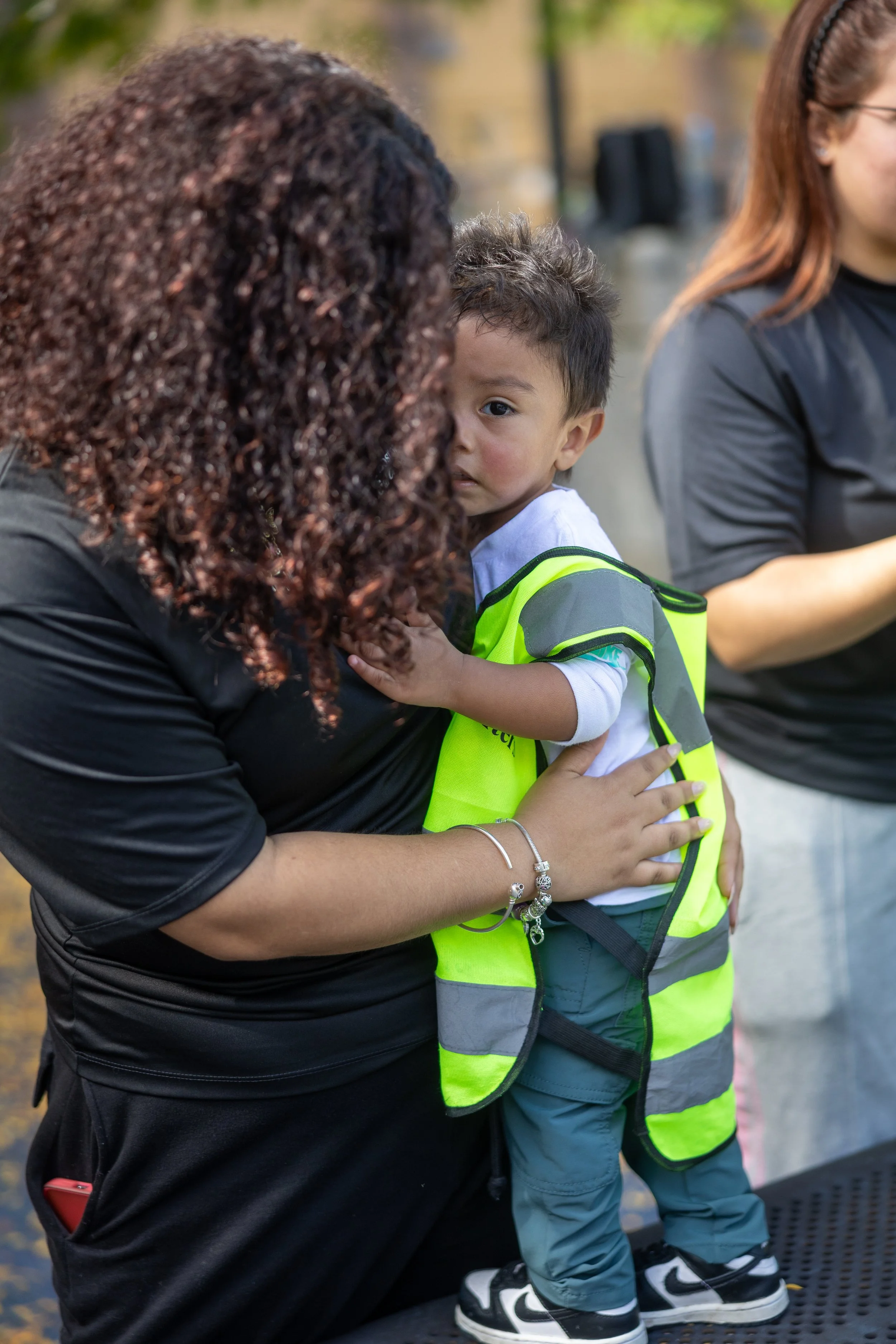
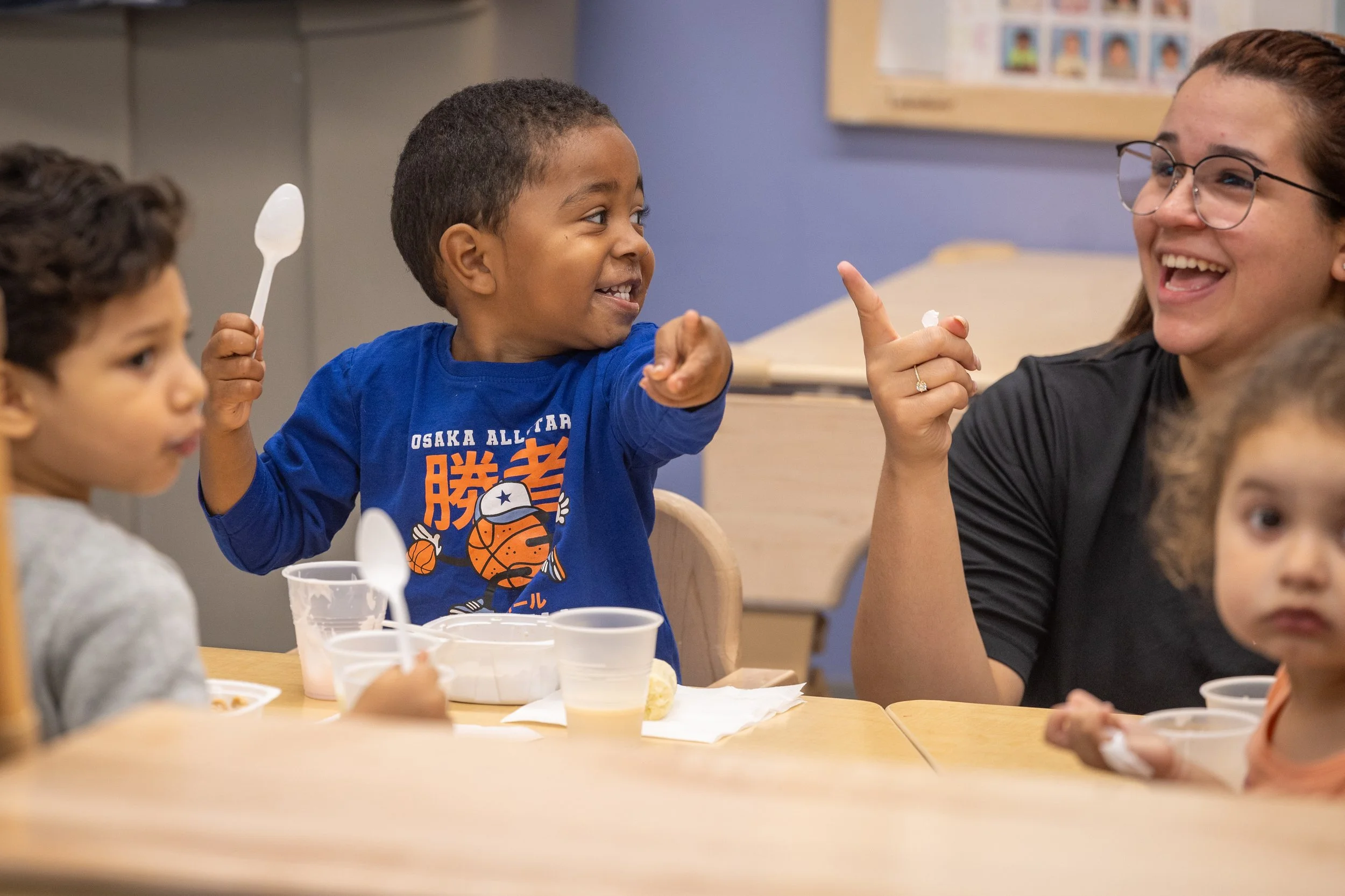
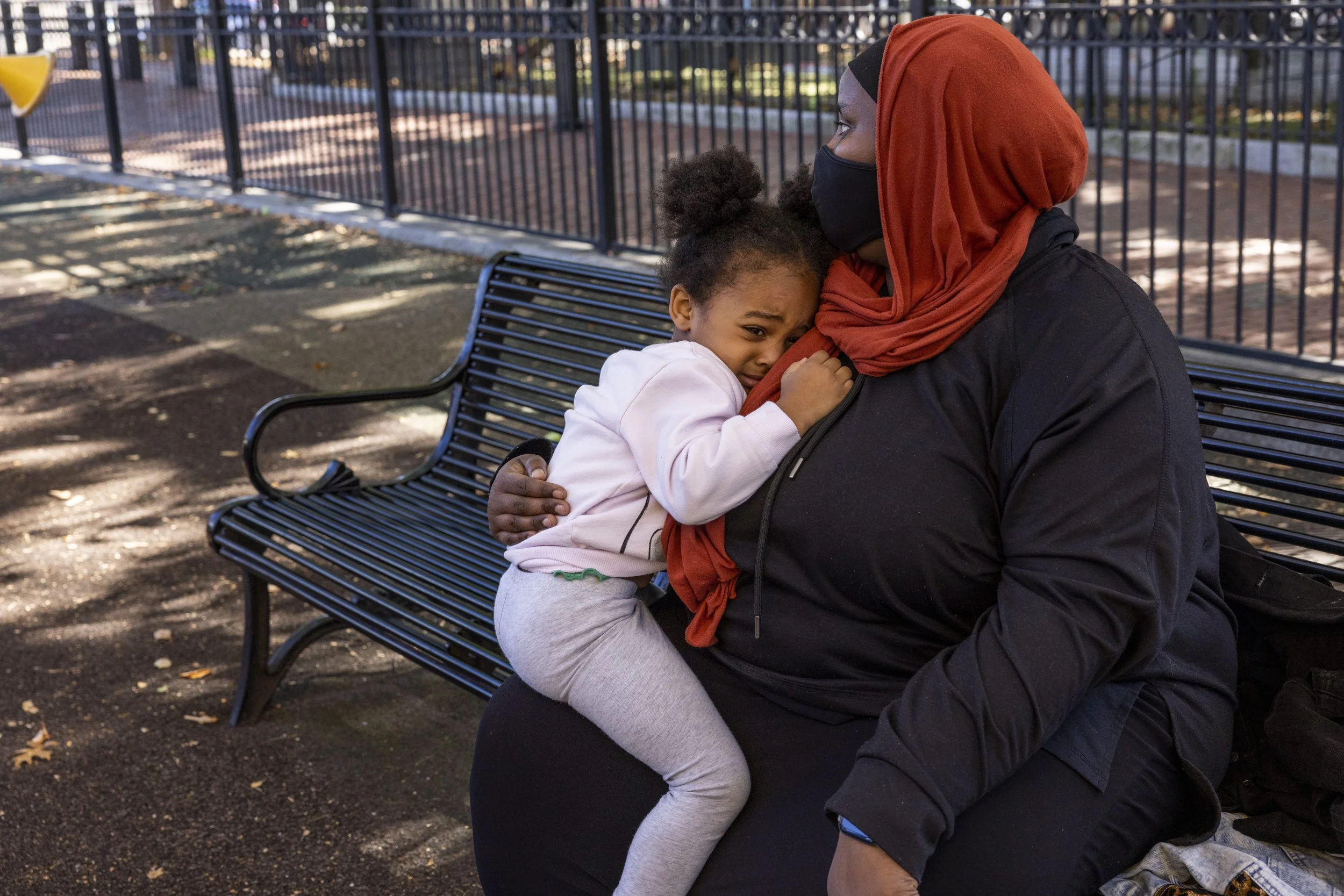
Our innovative new pilot to implement and evaluate the impact of early relational health supports across a network of early childhood programs in Boston was started in 2025. We are excited to share the following resources from this project:
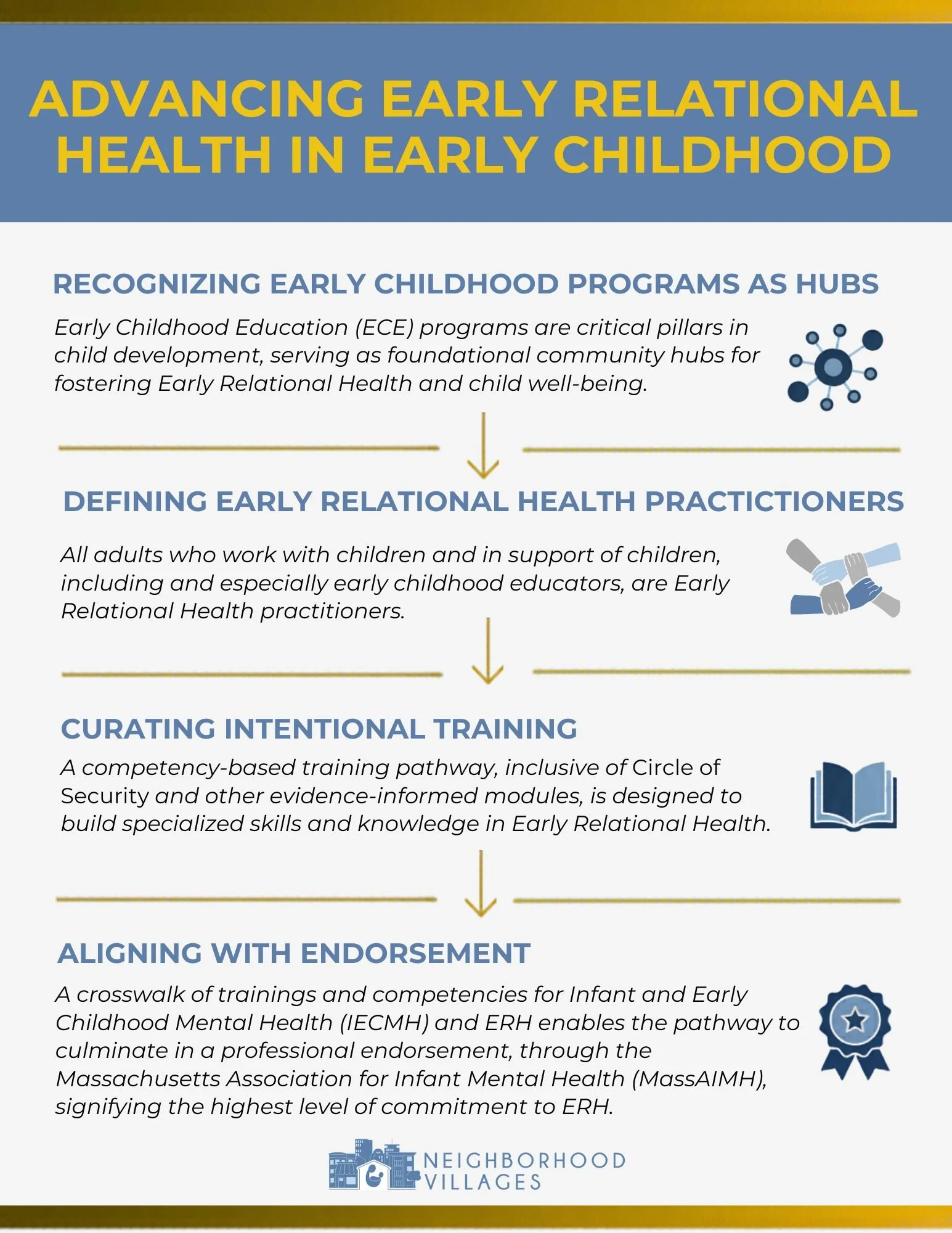
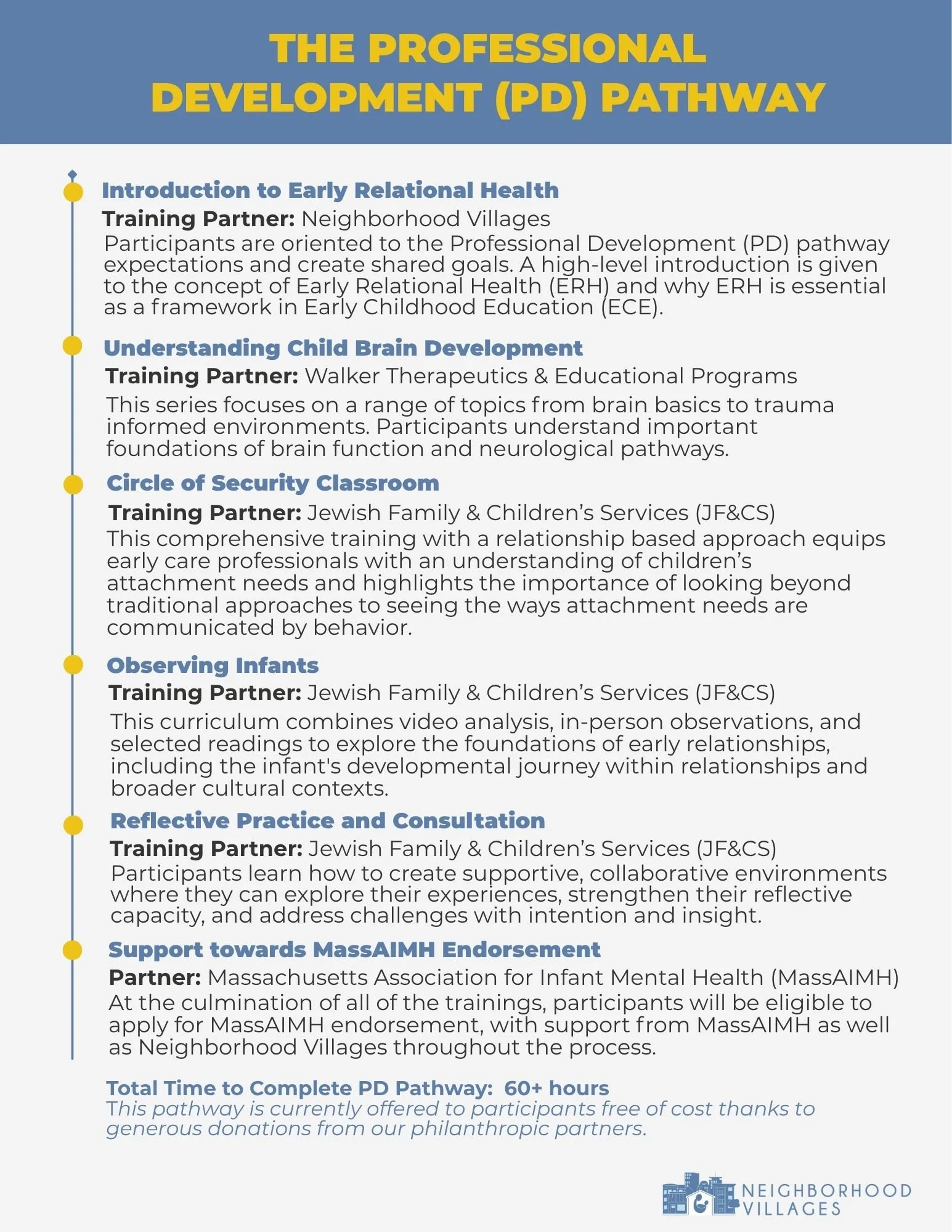
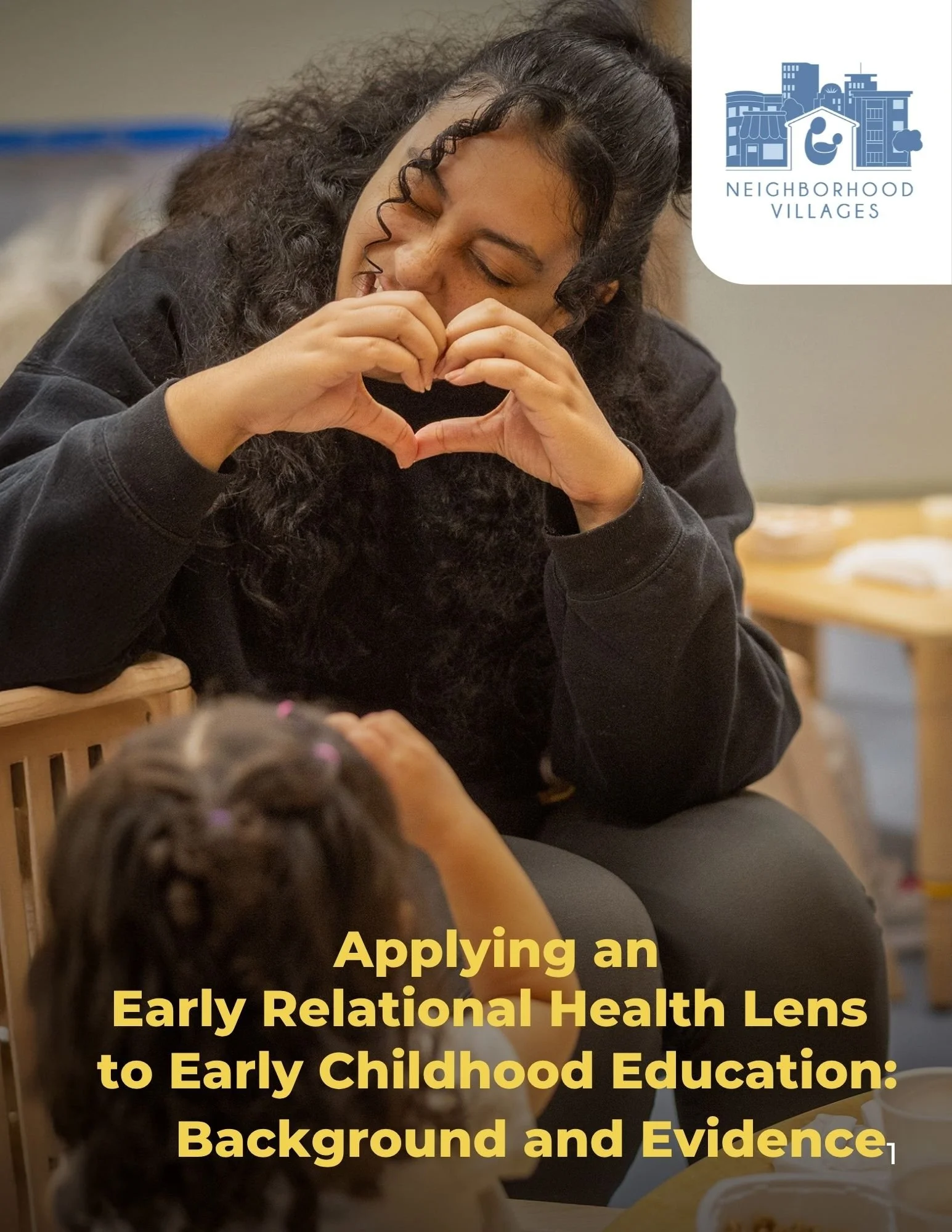
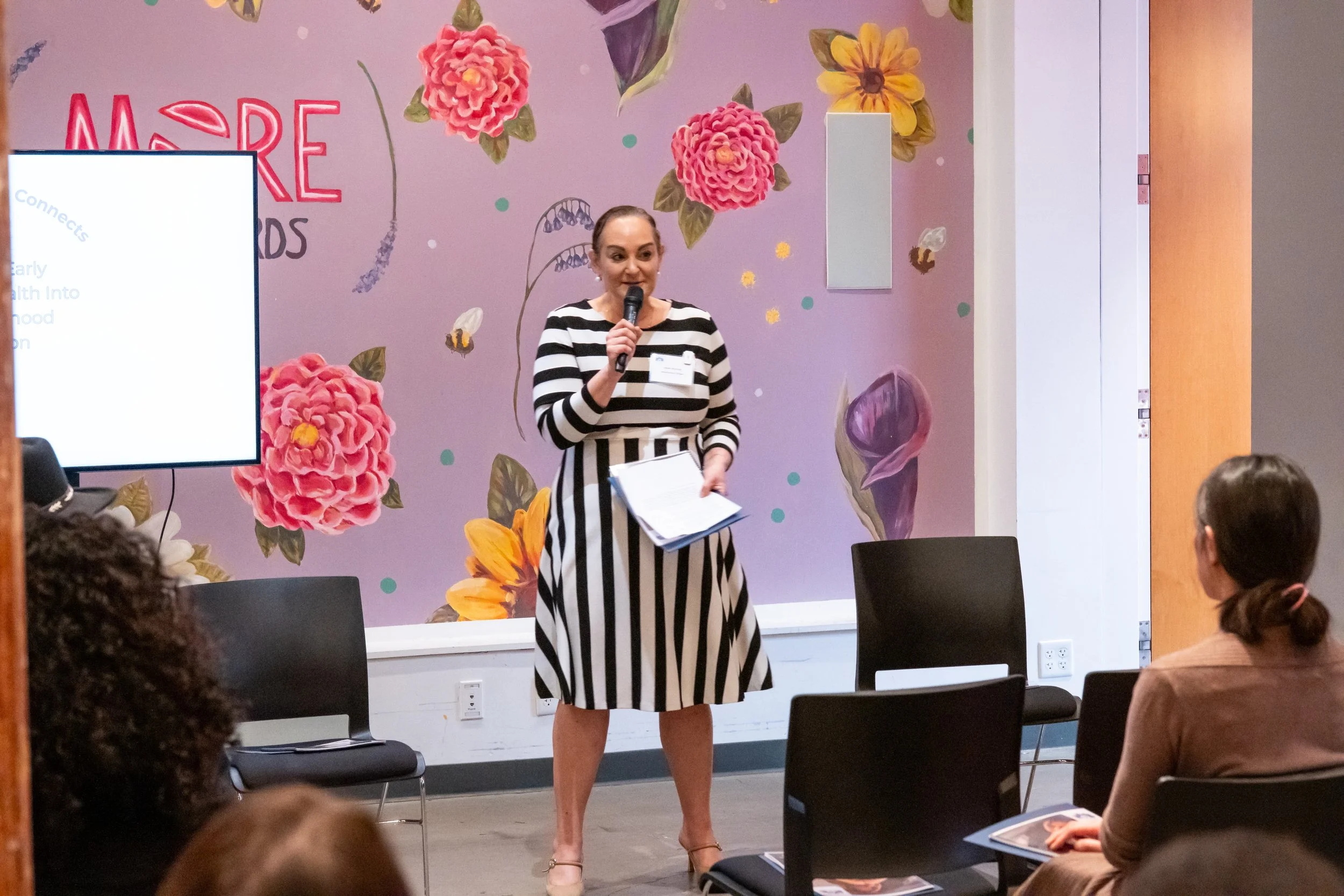
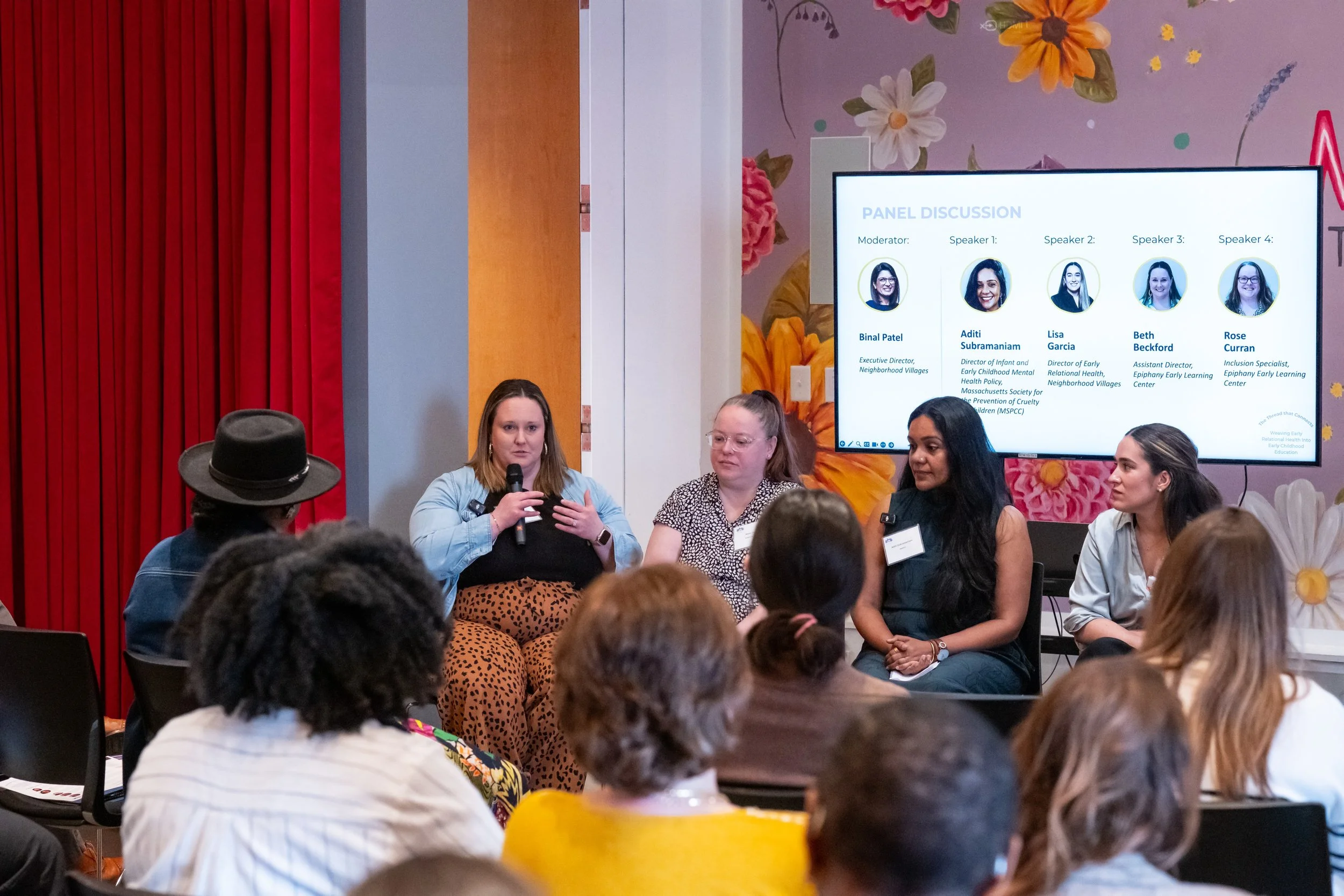
In April 2026, we shared the learnings and resources from the pilot program at an event called The Thread that Connects: Weaving Early Relational Health into Early Childhood Education. The keynote was delivered by Dr. Junlei Li, Saul Zaentz Chair in Early Childhood Education at Harvard University. It was followed by a panel discussion and Q&A moderated by Binal Patel, Executive Director of Neighborhood Villages and featuring Aditi Subramaniam, Director of Infant and Early Childhood Mental Health Policy at Massachusetts Society for the Prevention of Cruelty to Children (MSPCC); Lisa Garcia, Director of Early Relational Health at Neighborhood Villages; Beth Beckford, Assistant Director at Epiphany Early Learning Center; and Rose Curran, Inclusion Specialist at Epiphany Early Learning Center.


Check out the Early Relational Health topics covered in our podcast No One is Coming to Save Us:
Dr. Junlei Li, Saul Zaentz Chair in Early Childhood Education at Harvard University explores what is truly at the foundation of high-quality early learning and spotlights the many places where children can experience it.
Lisa Garcia, our Director of Early Relational Health focuses on early relational health and underscores the importance of relationships that children form with their caregivers during the critical early years of their lives.
Early Relational Health Work in Action


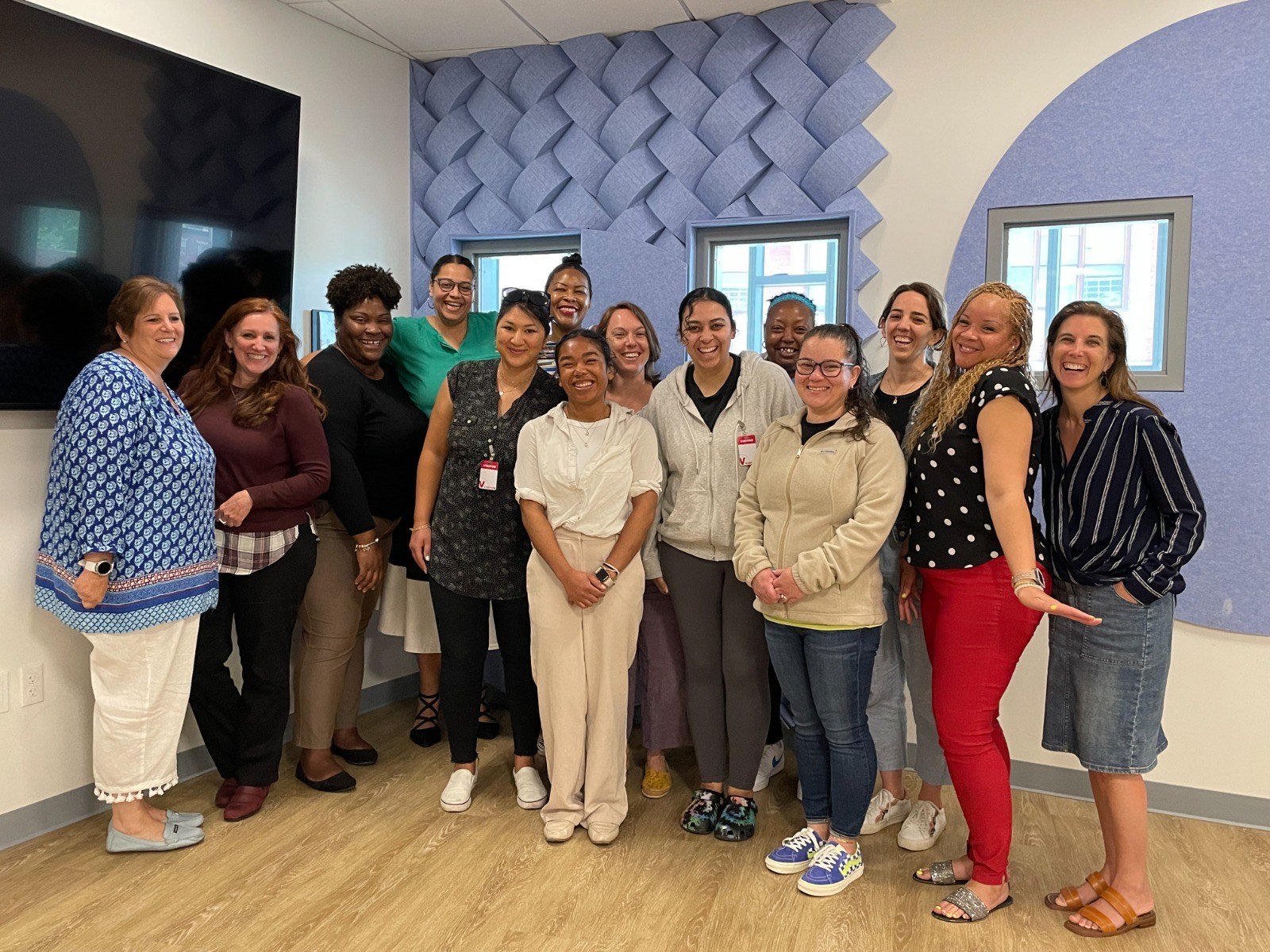
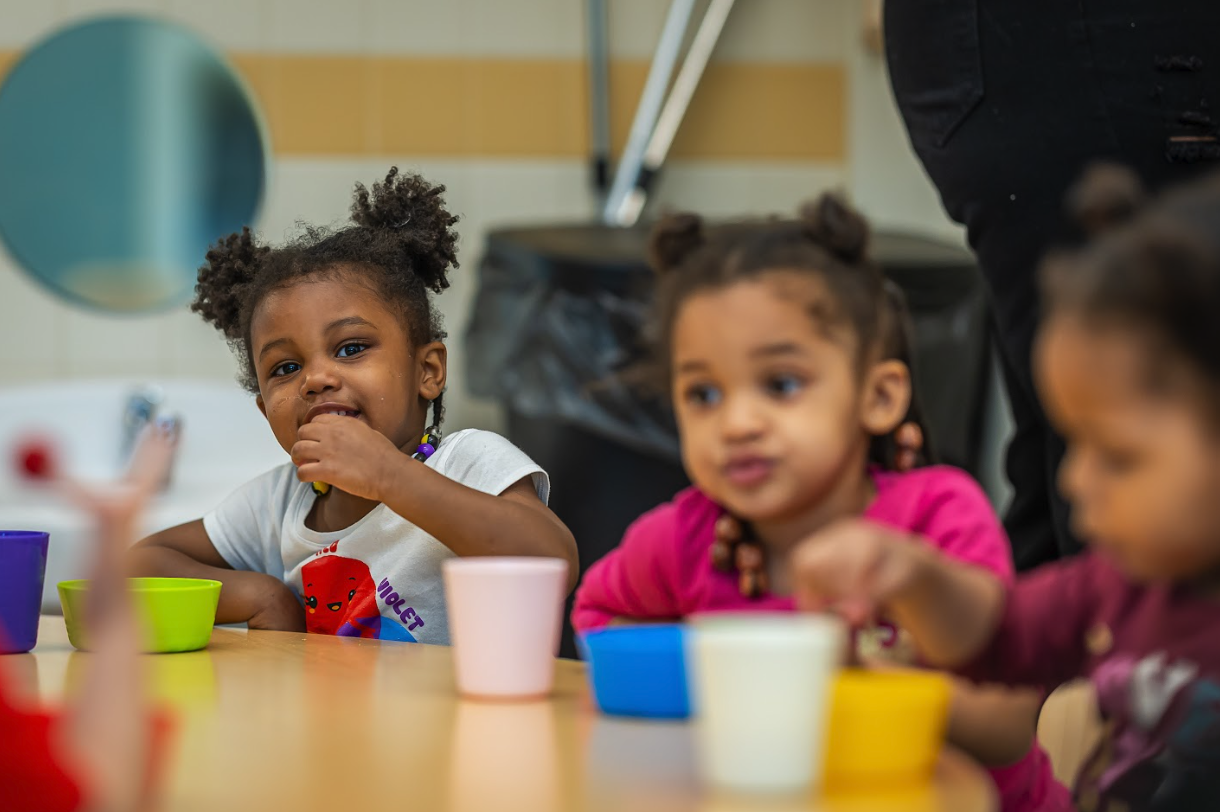

Before a child takes their first step or speaks their first word, they are already building the architecture of their future. They are learning to navigate safety, love, and trust. This is Early Relational Health (ERH), the invisible, essential foundation for lifelong well-being.